Understanding Metal Roofing Benefits
Metal roofing has become increasingly popular among homeowners across Greater Toronto Area (GTA) communities for its exceptional durability and aesthetic appeal. As the demand for reliable roofing solutions persists, many homeowners are exploring the advantages of metal roofing as they seek to protect their investments. If you’re contemplating a roofing upgrade, understanding the multifaceted benefits of metal roofing can provide valuable insights into your decision-making process. For a thorough overview of available options and advantages, read more.
Why Choose Metal Roofing for Your Home?
Metal roofing offers several compelling reasons for homeowners, particularly in climate-prone areas like Toronto. The first notable benefit is its superior durability. Unlike traditional asphalt shingles, which typically last 15-25 years, metal roofs can last 50 years or more when properly maintained. This longevity translates to less frequent replacements and lower long-term costs for homeowners.
In addition to durability, metal roofing is also resistant to harsh weather conditions, including the heavy snowfalls and ice typical of Toronto winters. Metal roofs are designed to withstand high winds, heavy rain, and significant temperature changes without degrading over time.
Energy Efficiency and Cost Savings Explained
One of the standout features of metal roofing is its energy efficiency. Many metal roofing systems are designed with reflective qualities that can significantly reduce heat absorption during the summer months. This means that homes equipped with metal roofs often rely less on air conditioning, leading to noticeable savings on energy bills. Moreover, energy-efficient roofing materials are increasingly important as homeowners seek to minimize their carbon footprint and adhere to stricter energy efficiency regulations.
Longevity and Durability of Metal Roofing
The longevity of metal roofing is not only a practical feature but also a financial advantage. With fewer replacements needed, the higher initial investment in metal roofing pays off in the long run. Homeowners can rest assured that they are making a sound financial decision by opting for a material that promises extended lifespan and reduced maintenance costs.
Types of Metal Roofing Materials Available
When it comes to selecting a metal roofing material, several options cater to varying aesthetic preferences, budgets, and environmental conditions. Understanding the different materials available can guide homeowners in making the best choice for their unique needs.
Popular Options for GTA Homeowners
- Steel Roofing: Known for its strength and resistance to impact, steel roofing is a popular choice among homeowners. It is often coated with zinc or a combination of aluminum and zinc for enhanced corrosion resistance.
- Aluminum Roofing: Lightweight and resistant to rust, aluminum roofing is ideal for coastal areas. Its reflectivity helps in maintaining lower temperatures inside the home.
- Copper Roofing: Renowned for its aesthetic appeal and longevity, copper roofing develops a beautiful patina over time. While it is one of the more expensive options, many homeowners appreciate its unique look and quality.
Comparing Steel, Aluminum, and Copper Roofing
While all three materials are excellent choices, they differ significantly in terms of cost, maintenance, and aesthetic appeal. Steel is often the most affordable option but requires periodic maintenance to prevent rust. Aluminum, while slightly more expensive, provides great durability against the elements with less upkeep. Copper stands out as a premium choice, offering unmatched longevity and an elegant appearance that can significantly enhance property value.
Choosing the Right Material for Your Climate
The climatic conditions in Toronto and surrounding areas heavily influence the choice of metal roofing material. Steel is ideal for regions prone to heavy snowfall due to its strength, while aluminum is favored in coastal towns where salty air accelerates corrosion. Copper’s natural resistance to corrosion makes it a reliable option in diverse climates, but the initial investment can be substantial.
The Metal Roofing Installation Process
Installing a metal roof is a critical step that determines its longevity and performance. Proper installation ensures that homeowners maximize the benefits of their chosen roofing material. Understanding the installation process can help set expectations and ensure smooth communication with the contractor.
Preparing Your Home for Installation
Before installation can commence, a thorough assessment of the property is necessary. This includes checking for any existing damage to the underlying structure, ensuring adequate support for the new roof, and selecting a suitable installation date based on weather conditions.
Steps Involved in the Installation
- Inspection: A detailed inspection of the existing roof to identify necessary repairs is crucial.
- Removal: If replacing an existing roof, the old roofing materials are carefully removed.
- Installation of Underlayment: A waterproof underlayment is installed to provide an additional layer of protection against the elements.
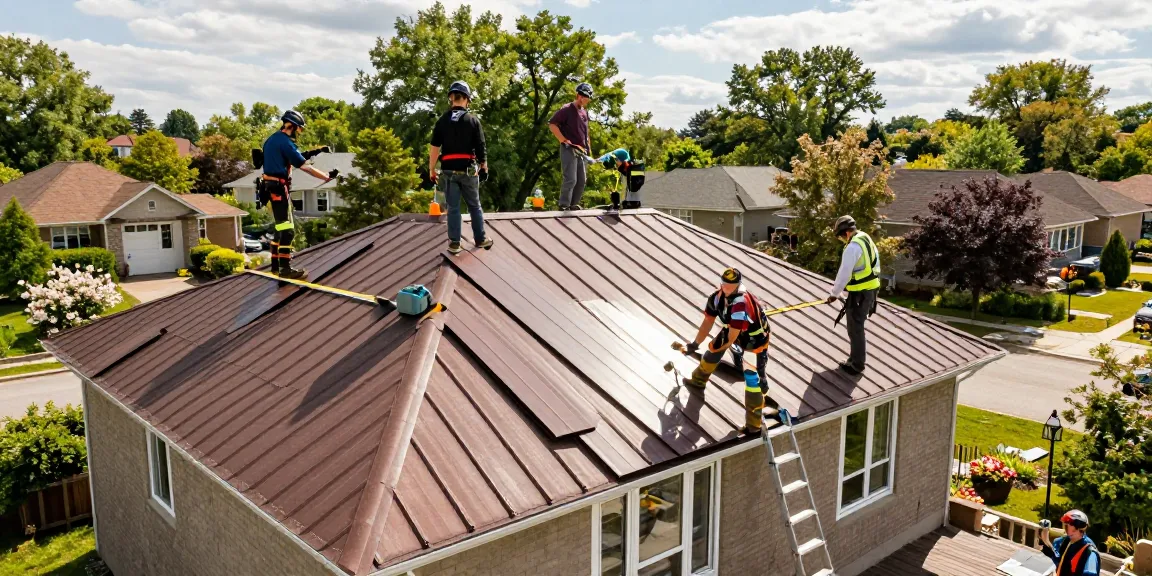
- Metal Panel Installation: Metal panels are then installed starting from the bottom upwards, ensuring each panel overlaps correctly for maximum protection.
- Finishing Touches: Finally, trim and flashing are added to ensure watertight seals around edges and fixtures.
Post-Installation Care and Maintenance
Post-installation, metal roofs require minimal maintenance, but regular inspections can help to catch any issues early. Cleaning gutters and ensuring that snow and debris are removed in winter can extend the life of the roof.
Choosing the Right Roofing Company
Selecting the right contractor for your metal roofing project is vital for achieving the best results. Not all roofing companies offer the same level of service or expertise, which can impact the quality of the installation.
What to Look for in a Metal Roofing Contractor?
Look for a contractor that specializes in metal roofing and has a solid reputation within the community. Experience, licensing, and insurance coverage are essential factors in your selection process. Customer reviews and past projects can also provide valuable insights into the contractor’s reliability and quality of work.
Questions to Ask Before Hiring
Before settling on a contractor, ask about their experience with metal roofing, warranties offered, and the types of materials they recommend. Don’t hesitate to ask for references or examples of previous work to ensure they can meet your expectations.
Customer Testimonials and Reviews
Reading customer testimonials is an effective way to gauge the quality of service a contractor provides. Satisfied customers often share their experiences online, highlighting the professionalism and quality of workmanship, which can boost your confidence in your decision.
Future Trends in Metal Roofing
The roofing industry continues to evolve, and staying informed about future trends can help homeowners make forward-thinking choices. Innovations in materials and technology are shaping the way metal roofing is designed and installed.
Innovations in Metal Roofing Materials
New developments in metal roofing materials focus on sustainability and energy efficiency. Manufacturers are increasingly producing roofs that utilize recycled materials or are designed to improve energy efficiency, aligning with the growing demand for eco-friendly building solutions.
Future Energy Efficiency Standards
As governments and organizations push for stricter energy efficiency standards, metal roofing systems are expected to play a significant role in meeting these new mandates. Homeowners can look forward to advancements that not only enhance efficiency but also contribute to overall energy cost savings.
What to Expect in 2026 and Beyond
Looking ahead, the metal roofing industry is poised for advancements in both technology and design. Homeowners can expect more customizable options that cater to aesthetic preferences while ensuring energy efficiency and durability. The trend towards sustainable materials and practices will also continue to grow, solidifying metal roofing as a leading choice for environmentally conscious consumers.
What are the costs associated with metal roofing?
While the initial cost of metal roofing can be higher than traditional materials, the longevity and reduced maintenance needs can make it a cost-effective option in the long run. On average, homeowners might expect to invest between $100 to $300 per square for metal roofing, depending on the material and complexity of installation.
How long does a metal roof last compared to traditional roofs?
Metal roofs can last 50 years or more, significantly outlasting traditional asphalt shingles which typically require replacement every 15-25 years. This extended lifespan offers not only peace of mind but also long-term savings for homeowners.
Can metal roofing be installed over existing shingles?
Yes, metal roofing can often be installed over existing shingles, providing an efficient way to upgrade without the need for complete tear-off. However, it’s essential to ensure that the existing roofing structure is sound and can support the additional weight.
What maintenance is required for metal roofs?
Maintenance for metal roofs is relatively minimal but includes regular inspections for rust or damage, cleaning debris from gutters, and ensuring proper drainage. This proactive approach can significantly extend the life of your roof.
Are there eco-friendly options in metal roofing?
Yes, many manufacturers now offer eco-friendly metal roofing options, including materials made from recycled content and coatings that enhance energy efficiency. This aligns with the growing trend of sustainability in home building and renovation.